
Writing About SEO Because Rankings Still Matter
I've spent years testing what actually moves pages up search results. This is where I share what worked, what didn't, and why on-page optimization remains one of the most reliable levers you can pull.

How This Started
Back in 2016, I was managing a small online store that wasn't getting traffic. I tried paid ads, but the ROI was terrible. So I started reading about SEO and testing changes on actual pages.
The first time I saw a page climb from position 47 to page one by fixing title tags and restructuring content, I was hooked. It felt like discovering a hidden mechanism that most people ignored.
Since then, I've worked on everything from local business sites to content platforms with thousands of pages. The principles stay the same, but how you apply them changes based on what you're dealing with.
This blog exists because I kept notes on every test, every ranking shift, every time something unexpected happened. Writing forces me to think clearly about what's actually happening versus what I assume is happening.
What Drives This Work
Testing Over Theory
SEO advice is everywhere, but most of it isn't tested. I run actual experiments on real sites and track what changes rankings, not what sounds logical.
Data Without Drama
Numbers tell the story. I share metrics from Search Console, Analytics, and ranking tools without exaggerating what they mean or promising guaranteed results.
Practical Detail
Every article includes specific examples, code snippets, and screenshots showing exactly what was changed and what happened. No vague advice or surface-level tips.
How I Approach On-Page Work
Every site is different, but the process stays consistent. These are the areas I focus on when analyzing pages and planning improvements.


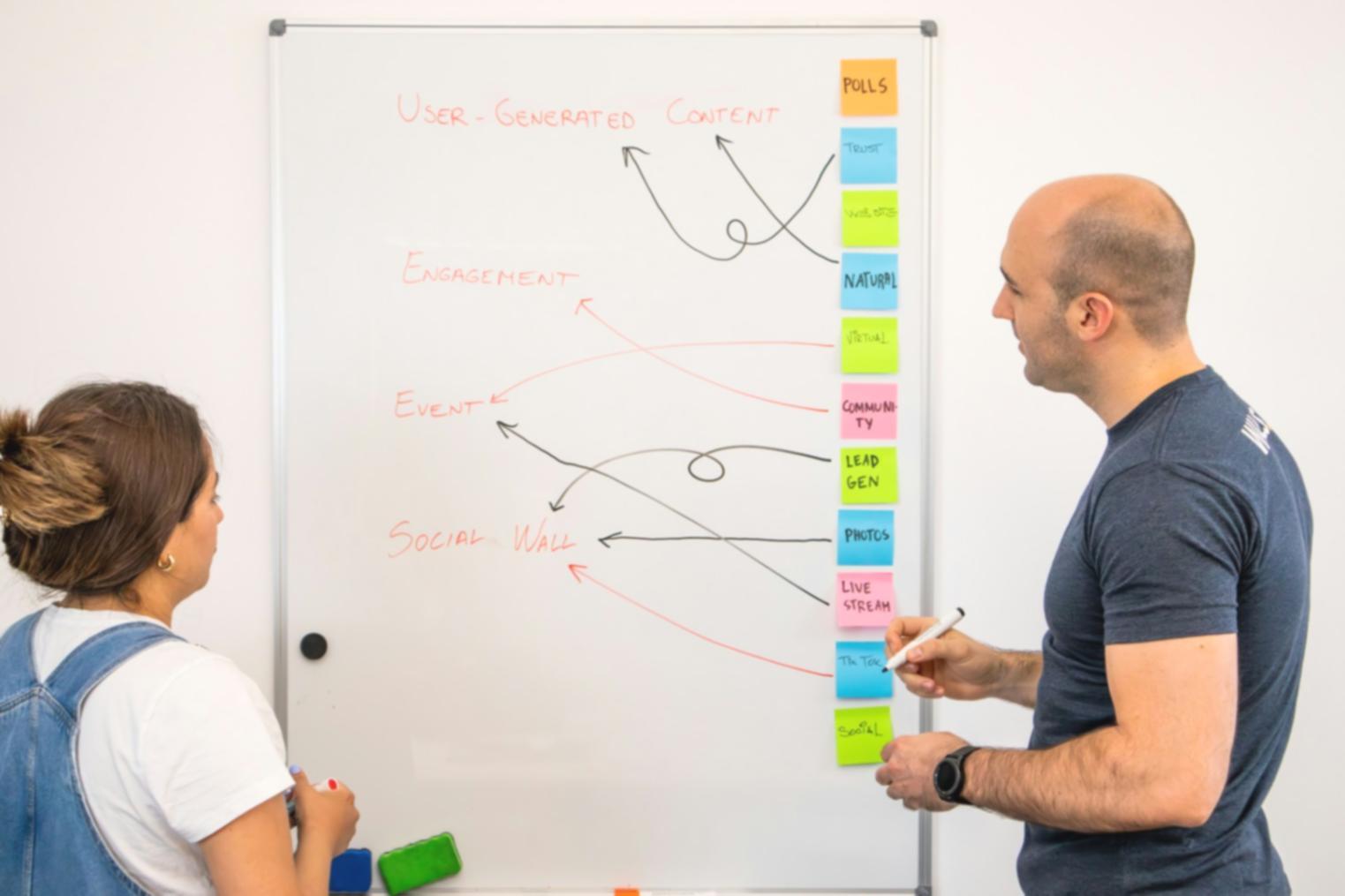
Content Structure First
Before touching technical elements, I map how information flows on the page. Headers need to follow logical hierarchy, and content must answer what people actually search for.
Technical Foundation
Title tags, meta descriptions, URL structure, schema markup—these aren't exciting, but they're essential. I audit every technical element that affects how search engines read the page.
User Signals Matter
Pages that rank well usually keep people engaged. I track time on page, scroll depth, and click patterns to understand if the content is actually useful or just keyword-stuffed.
Incremental Changes
I change one element at a time and wait to see the impact. It takes longer, but you actually learn what moved the needle instead of guessing which of ten changes worked.